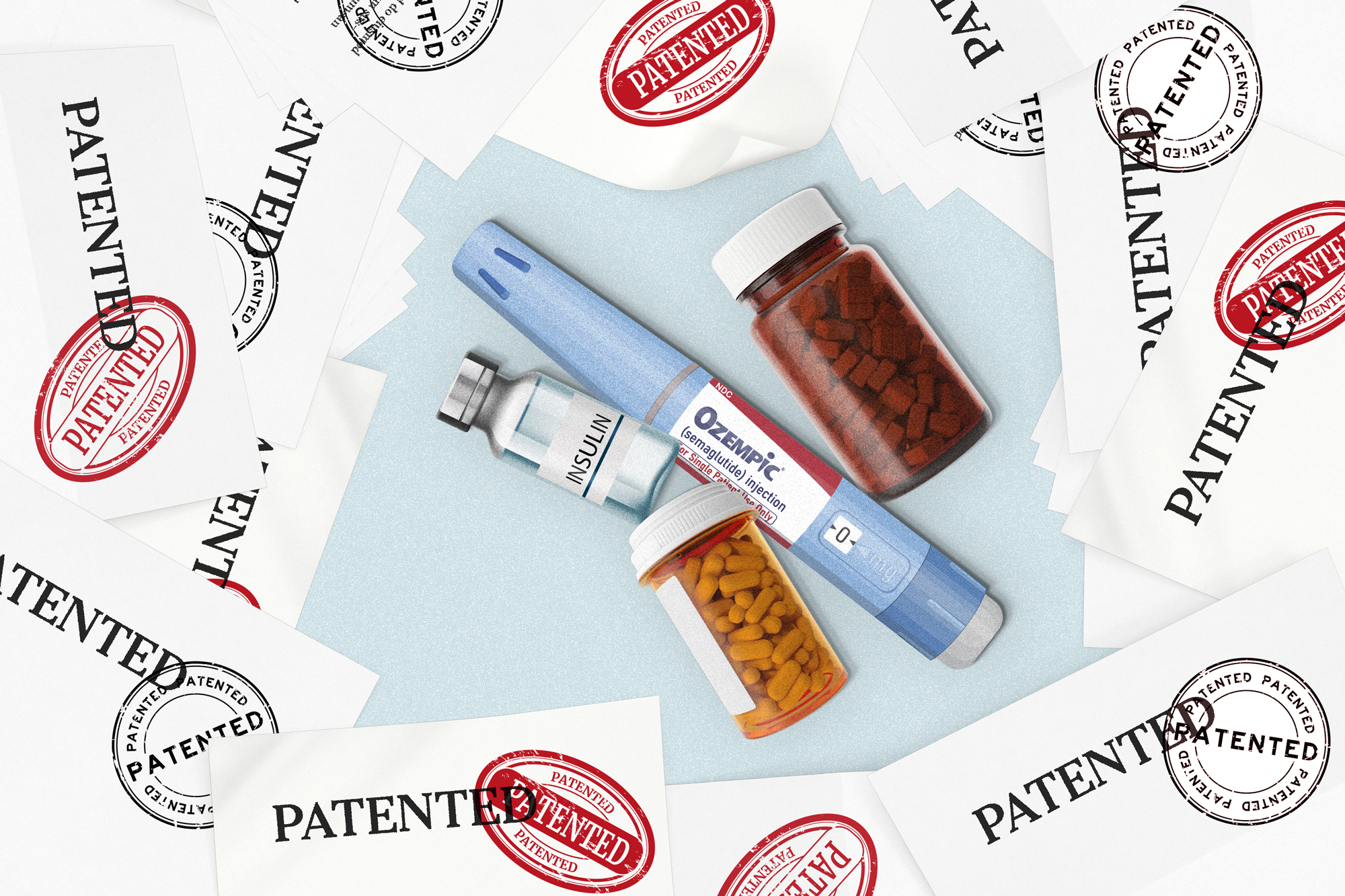
Ahhh, the constant loopholes in every law written in the past 60 to 70 years.
Loophole: an ambiguity or omission in the text through which the intent of a statute, contract, or obligation may be evaded. A means of escape.
The word was first used in 1591 to mean an opening to admit light and air or to permit observation, used in conjunction with a small opening through which small arms may be fired.
Every law written in the U.S. Congress in the past 70 years has contained many loopholes. To the point of why bother spending all that time blathering, using forests of trees to make paper, to squirrel away the text — unread, unknown by most in Congress, in the nation.
Why is this here? A place that claims to be about current events of a Biblical nature? End times? Bible prophecy? Scripture?
Because it is yet another clear example of the growing evil in the world.
Was a time doctors prescribed medications. Now insurance companies do. Depending on what is most profitable for them. Oh, there’s the illusion that doctors or healthcare professionals prescribe medications, but ultimately it’s the insurance companies who determine if and what a person can take, and working with the pharmaceutical companies, determining to what degree to fillet, dissect, and bleed dry the patient in need of the medication.
Because it’s all about $$$ now. All about profits. That’s what’s most important. This demonstrates that the love of money is the root of evil.
Money in and of itself is inert. Innocent. Without anything attached. Until a man, a woman, a company, a corporation, a government attaches something to it.
We all need money. But are people working to make a truly justifiable profit, which is deserved? Or is something else afoot?
Greed is not good. For anyone. Especially the greedy. Let’s start there.
The greedy, who focus on making more and more profit, get to the point where they lose their minds over money and, in the process, lose their souls. All for something fleeting. Temporary.
I understand it takes money to research new drugs. To build the facilities. And so on. Sure, a lot of investment is involved.
Yet pharmaceutical companies are the most profitable businesses in the world. Bar none. Nothing else comes close. Not big oil. The world of entertainment. Professional sports. Whatever can be mentioned. Nothing is more profitable than being a pharmaceutical corporation.
All that money leads to evil.
They aren’t in business to help the world, help sick people, or find the cure! Finding the cure equates to finding the pot of gold at the end of the rainbow. Finding the money tree orchard!
Otherwise, why continue to use the loopholes made available to them by the so-called lawmakers who make laws that can always be circumvented, escaped from?
Are pharmaceutical companies noble? Doing good work? They are doing what they do because it’s the most profitable business in the world. Not because they are so compassionate, so concerned about sick folks, disease, illnesses, and making people better, healing people.
It’s all related.
Just another sign of the times. The end times.
Because healthcare and medicine never used to be this way in America.
And it’s only going to get worse. Greedier and greedier and more costly to the patients, the doctors are under more stress put on them by pharmaceutical companies to push certain drugs [many doctors receive financial kickbacks for prescribing certain medications to their patients, which might not be the right medication, the best one, but it puts more money into the doctor’s bank account and investments — ask your doctor about this. I do. Just as I mention to them that I’m aware that half of the practicing doctors graduated in the bottom half of their class], the insurance companies play Caesar and give the thumbs up or thumbs down to a person regarding a medication.
It’s about healthcare?
Being well? Getting well. Medicine? Finding a cure? Keeping costs down?
HA!
Hardly. Hasn’t been about any of those things for a long, long time now. Ever since American healthcare was taken away from independent doctors, independent hospitals, and healthcare professionals and handed to the pharmaceutical and insurance mega-corporations.
And it isn’t going to get better.
Think any Congress or president is going to really fix things? Really?
Wow, I’d love to know what drug you’re on…
This is yet one more sign of the Biblical times in which we all are living. The End Times. The End of Days. The Last of the Last Days, as evil grows and ethics, doing what is right, wanes and fades away. We’re living Romans 1, friends. Right now.
Get the best medicine, best care, best treatment for the eternal spirit possible. Go to The Physician, the Healer, the Savior, the Friend and Redeemer, the LORD Jesus Christ, Yeshua Hamashiach, go to the Holy Bible and inject its life-giving words into your heart, your mind, your spirit, and soul. Into your daily life. Be equipped, prepared, fed, and ready for anything that may come.
Always giving God the glory and thanks in ALL THINGS. Because it’s only going to get tougher, more trying, and more difficult as time goes on. Only the well-equipped in the Word, in the faith of Jesus, will be able to endure. Truly. No matter what may come.
Read on…
The Loophole Drug Makers Use to Keep Prices High
How pharmaceutical companies use the patent system to delay generic drugs from coming to market.
May 24, 2026
By Lawrence Wilson & Sylvia Xu
Reprinted from The Epoch Times
Bob Parant left his home on Long Island for the first time when he enrolled in college. Always interested in sports, he decided to try out for the football team in his sophomore year.
One day, Parant got a message to report to the athletic office.
“The coach calls me in and says, ‘You’ve got diabetes mellitus,’” Parant said. “That was back in 1972, and that’s where it started.”
Parant, now 73, has been living with diabetes for over 50 years.
He’s generally upbeat about his condition, despite the unending regimen of blood testing and insulin injections. None of that stopped him from having a successful career in pharmaceutical sales.
Yet one thing troubles Parant about needing this drug to stay alive. It’s the way drug makers seemingly game the system to keep prices high.
“They have a patent for a certain period of time, so they’re protected,” Parant said.
A drug patent generally lasts for 20 years, though the period of exclusivity—during which only the patent holder can produce the drug—varies by drug type.
That enables the creator to control prices and recoup the cost of development. After that, anyone can make and market the item.

Bob Parant appears at the finish line of a fundraising event for the Juvenile Diabetes Research Foundation in this undated photo. Parant, 73, was diagnosed with diabetes during his college years and has lived with the condition for more than 50 years. Courtesy of Bob Parant
But opening the market to competition can be delayed by new patents, which can be created at any time for a particular drug, and can cover a variety of things.
“[Drug manufacturers] come out with another formulation of the drug, which gives them another number of years. And they just keep going, and generics and biosimilars cannot come into the market,” Parant said.
That tactic is known as a patent thicket.
The problem has been around since at least 2001, when Carl Shapiro of the University of California–Berkeley described it this way: “A patent thicket [is] a dense web of overlapping intellectual property rights that a company must hack its way through in order to actually commercialize new technology.”
Now, a group of bipartisan lawmakers is pushing for adoption of the ETHIC Act, which aims to eliminate the use of duplicative, overlapping patents. They say eliminating these patent thickets will increase competition in the prescription drug market, and that will lower prices for patients and taxpayers.
Patient advocates hail the legislation, though some analysts say there is no evidence that patents are being used to stifle innovation.
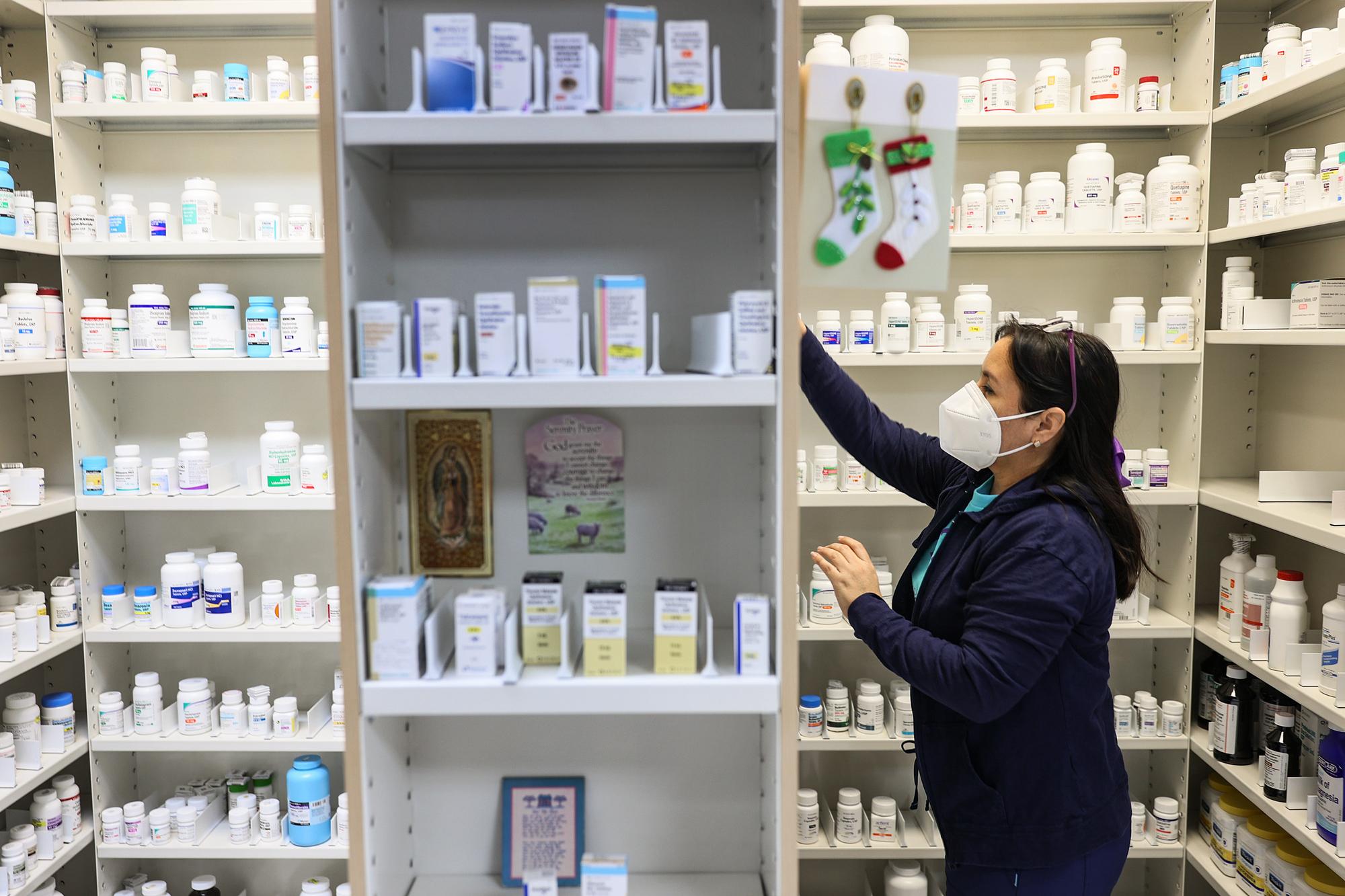
A pharmacy technician works in the P & P Pharmacy in Miami on Dec. 22, 2020. A group of bipartisan lawmakers is pushing for the adoption of the ETHIC Act, which aims to eliminate the use of duplicative, overlapping patents. Joe Raedle/Getty Images
How Thickets Work
The primary patent on a drug generally covers the active ingredient.
Beyond that, drug manufacturers often apply for patents to cover small changes in the product, such as a new coating, dosage, delivery method, or use to treat another disease.
They join the patents together with a legal device called a terminal disclaimer. This creates the “thicket.”
Then, when another company wants to release a cheaper version of the same drug, the company holding the patents can sue them in separate lawsuits claiming an infringement of each patent.
That makes it very expensive for a smaller company to challenge the dominance of a larger one.
Here’s an example.
Insulin was first used in 1922. Newer, synthetic insulins were developed beginning in the late 1970s. Yet according to the Colorado attorney general’s office, drug makers used overlapping patents to extend the exclusivity of some insulin products for decades.
“Eli Lilly’s Humalog added 17 years of protection; Novo Nordisk’s Novolog added 27 years of protection; Sanofi’s Lantus added 28 years of protection,” the attorney general’s 2020 report stated.
At least one company trying to develop a generic version of Sanofi’s Lantus decided to withdraw its FDA application after “extensive litigation” alleging patent infringements, according to the attorney general’s report.
The creative use of patents kept the price of insulin high for decades, according to the Colorado attorney general.
The average wholesale price was $541 for a month’s supply in 2019. Medicare price negotiations subsequently brought the price down to $35 for most patients.
“I did very well in pharmaceutical sales. So I have no problem with profit,” Parant said. “It’s the overbearing rebates and the ways they make barriers to care. That’s a real thing, whatever chronic disease you have.”
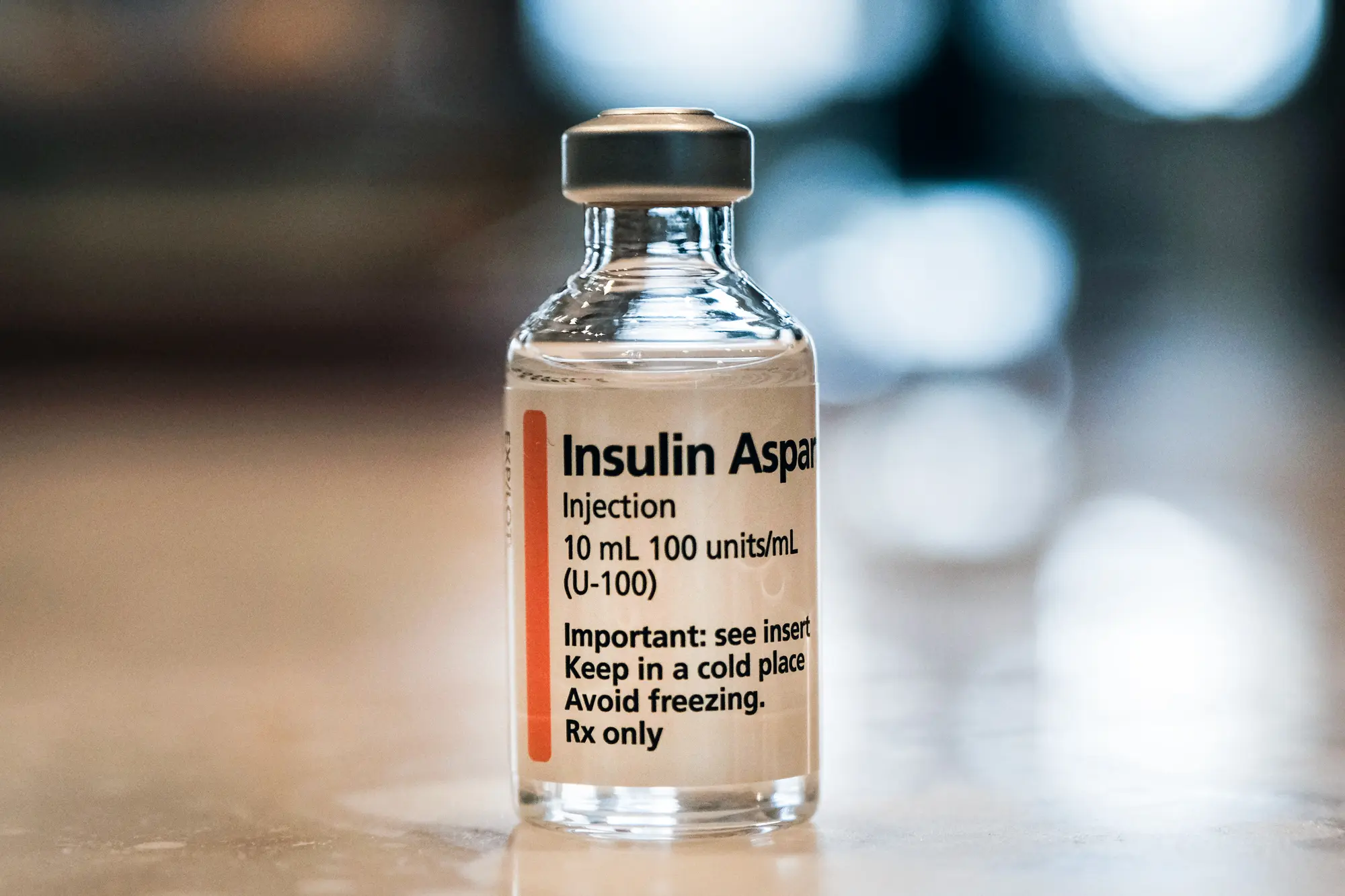
An insulin vial is shown in New York City on March 2, 2023. Patent strategies kept insulin prices high for decades, according to the Colorado attorney general. Illustration by Spencer Platt/Getty Images
Everybody Pays
Kris Garcia of Denver, Colorado, suffers from four bleeding disorders, asthma, and several allergies. The medications for each condition are expensive. One vial of a drug used to control bleeding costs $10,000—and four vials would be needed in an emergency.
The cost of that and other medications poses a constant threat to Garcia’s financial stability. “It changed the trajectory of my life,” Garcia said.
“I used to have a construction company. But I gave it up because it became impossible to provide my own health insurance. The prices were getting higher and higher.”
Like Parant, Garcia is frustrated by the tactics of pharmaceutical companies.
“They do all different kinds of maneuvers to extend their stronghold on these medications,” Garcia said. “It’s costing the patients. And it’s costing the taxpayers.”
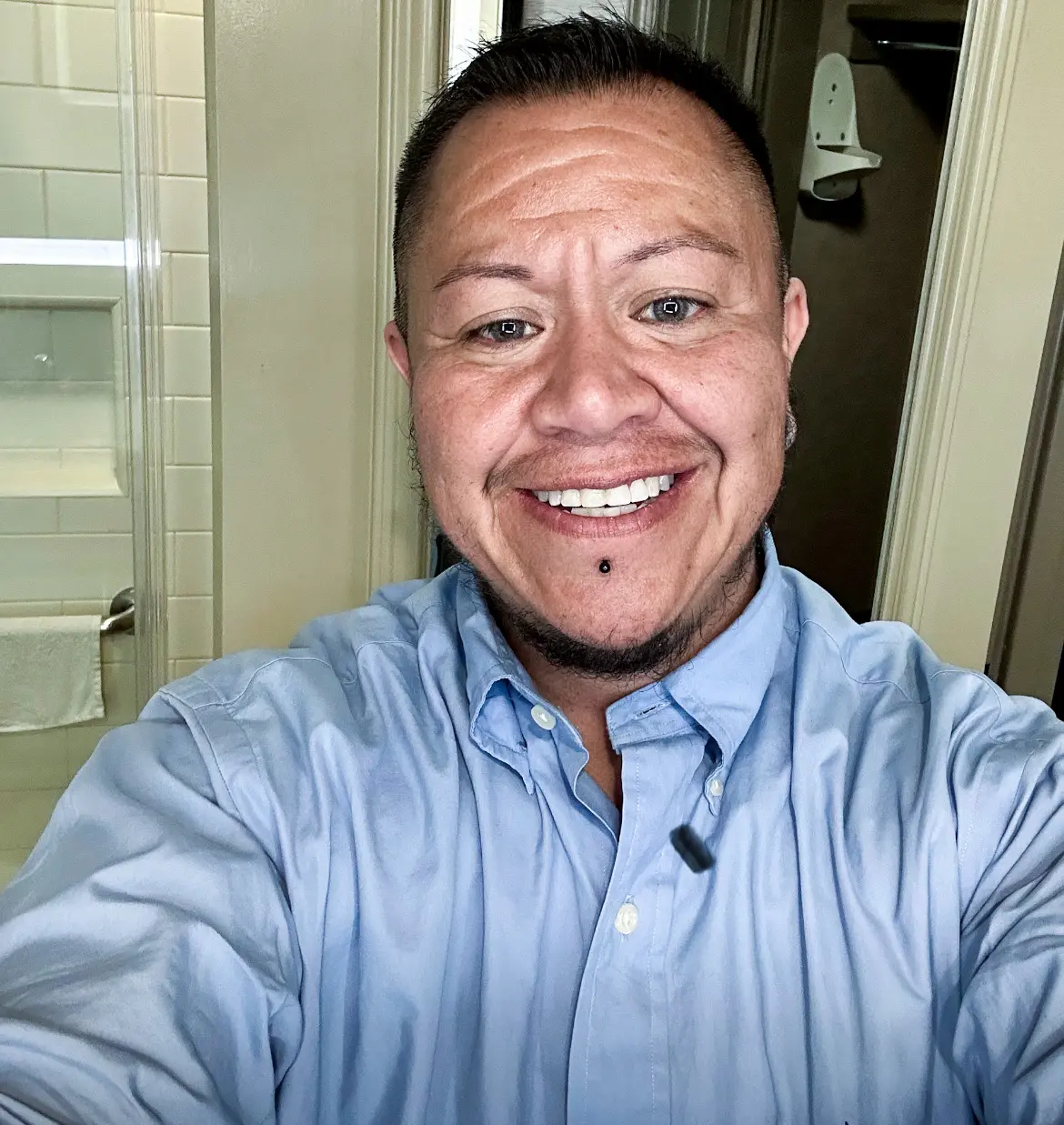
Kris Garcia of Denver appears in this undated photo. Garcia suffers from four bleeding disorders, asthma, and several allergies, making medications very expensive. Courtesy of Kris Garcia
For some insured consumers, a drug may seem relatively inexpensive because they pay only a copayment or deductible. Even some cash-paying customers may pay a relatively low cost due to price caps or manufacturer assistance programs. The full cost is ultimately borne by employers and individuals paying insurance premiums, and by taxpayers.
Consumers with insurance may pay as little as $25 for Ozempic, the popular diabetes medicine that is sometimes prescribed off-label for weight loss.
However, someone else must pay the rest of the bill. Taxpayers spent more than $2 billion on Ozempic through the Medicaid program alone in 2023, more than $1,000 per claim.
The first patent application for Ozempic was filed in 2006. The drug was approved by the FDA in 2017. It is covered by overlapping patents until 2037.
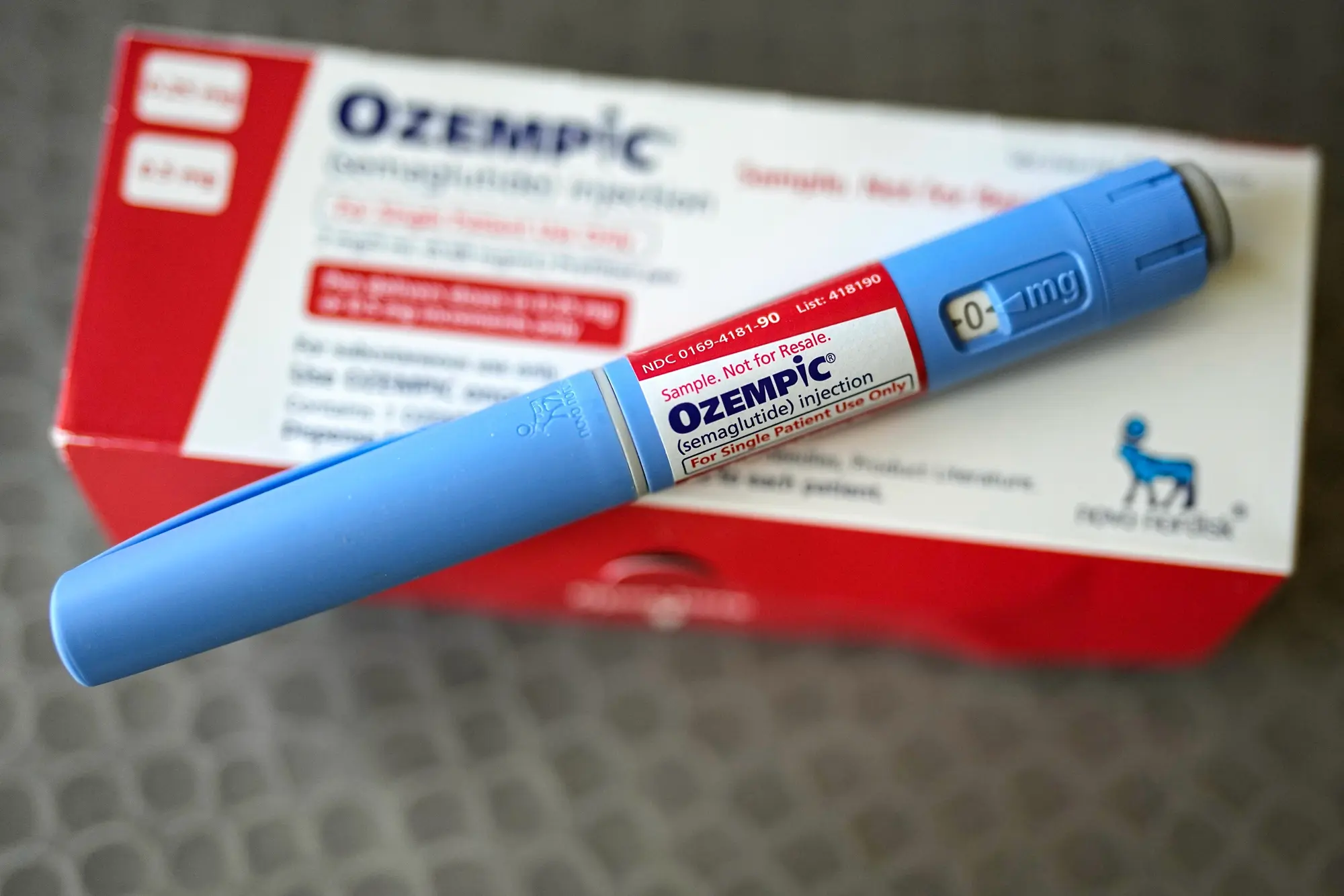
The injectable drug Ozempic, a diabetes medication sometimes prescribed off-label for weight loss, is shown in Houston on July 1, 2023. Insured consumers may pay as little as $25, but taxpayers spent more than $2 billion on Ozempic through the Medicaid program alone in 2023—averaging more than $1,000 per claim. David J. Phillip/File/AP Photo
Test of Reasonableness
When Don Kreis learned of a breakthrough treatment for cystic fibrosis, he was ecstatic. That was in 2019, when the FDA approved the drug Trikafta.
After celebrating the advent of a new treatment, Kreis said, “it occurred to me to ask, ‘What’s this drug going to cost?’”
The price turned out to be $312,000 a year. Since then, it has risen to more than $370,000.
“As a result, my daughter’s pharmacy bill is about three times my annual salary,” Kreis said.
New medications are expensive to develop, costing from less than $1 billion to $2 billion, according to the Congressional Budget Office.
Kreis understands that.
“I care about innovation in science and medicine, and I want drug companies and their owners to be able to earn a reasonable return on their investment,” he said.
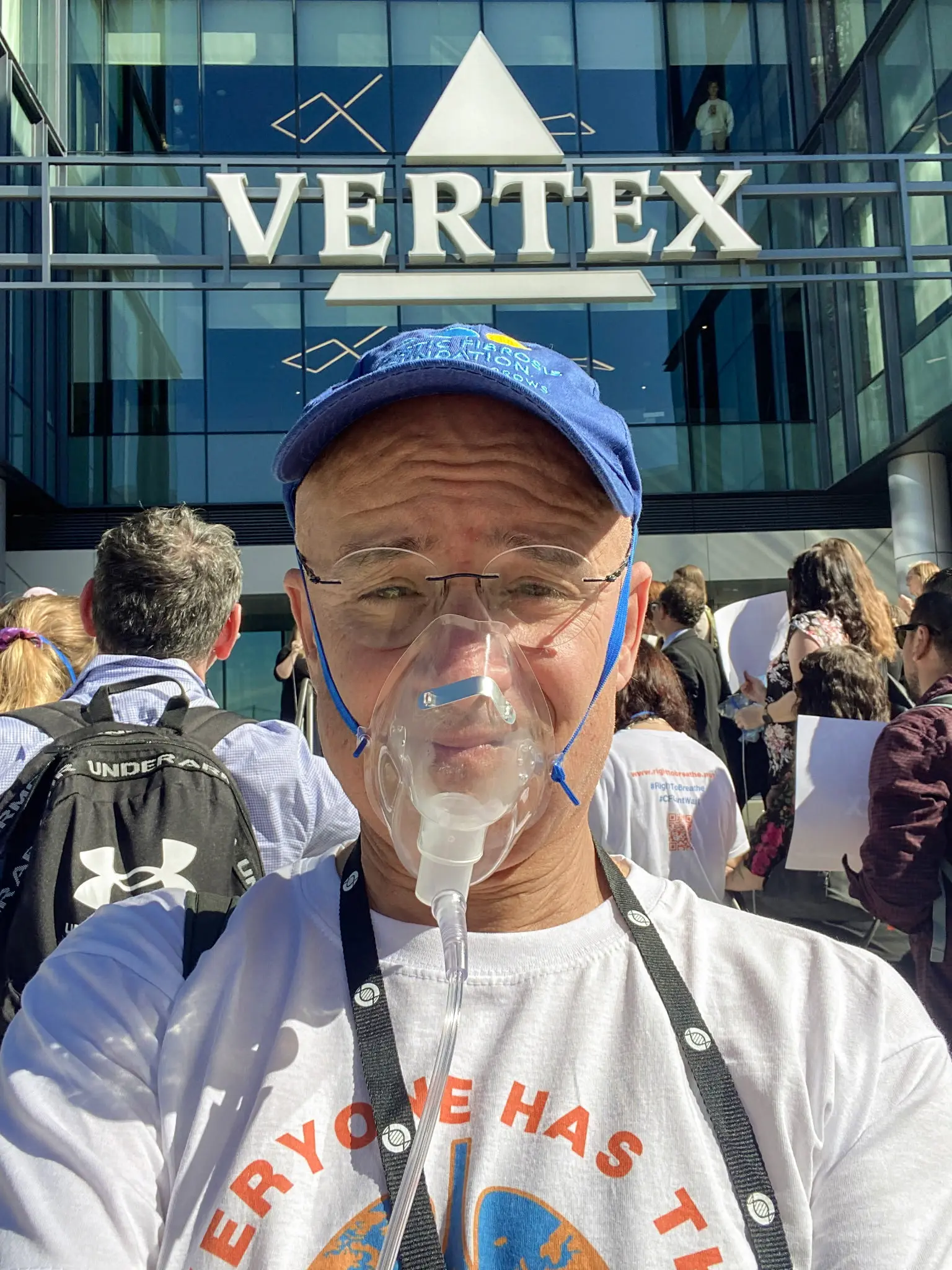
Don Kreis appears at a demonstration at the offices of Vertex Pharmaceuticals in Boston in this undated photo. Kries said his daughter, who was born with cystic fibrosis, has a medication cost of more than $370,000 a year—about three times his annual salary. Courtesy of Don Kreis
Vertex, maker of Trikafta, posted $12 billion in revenue for 2025, with net income of $4 billion, mostly derived from cystic fibrosis medications, according to a company statement.
That seems unreasonable to Kreis.
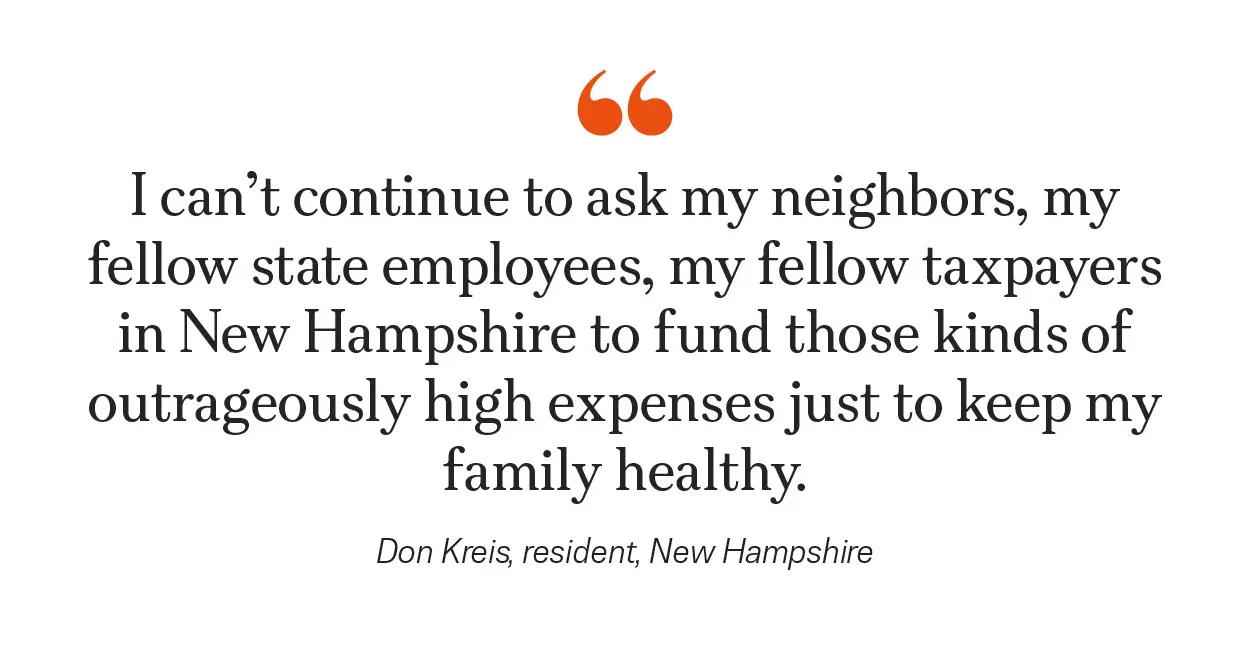
“I can’t continue to ask my neighbors, my fellow state employees, my fellow taxpayers in New Hampshire to fund those kinds of outrageously high expenses just to keep my family healthy,” Kreis said.
The Institute for Clinical and Economic Review, an independent research group, determined that a reasonable health-benefit benchmark price for Trikafta would be $67,900 to $85,500 per year.
The earliest patents for Trikafta will expire in December. However, the drug is covered by 35 patents, some extending through July 2038.
Subsequent patents cover new ways of compounding the drug, often by adding an ingredient, new ways of administering the drug to patients, and the manufacturing process.
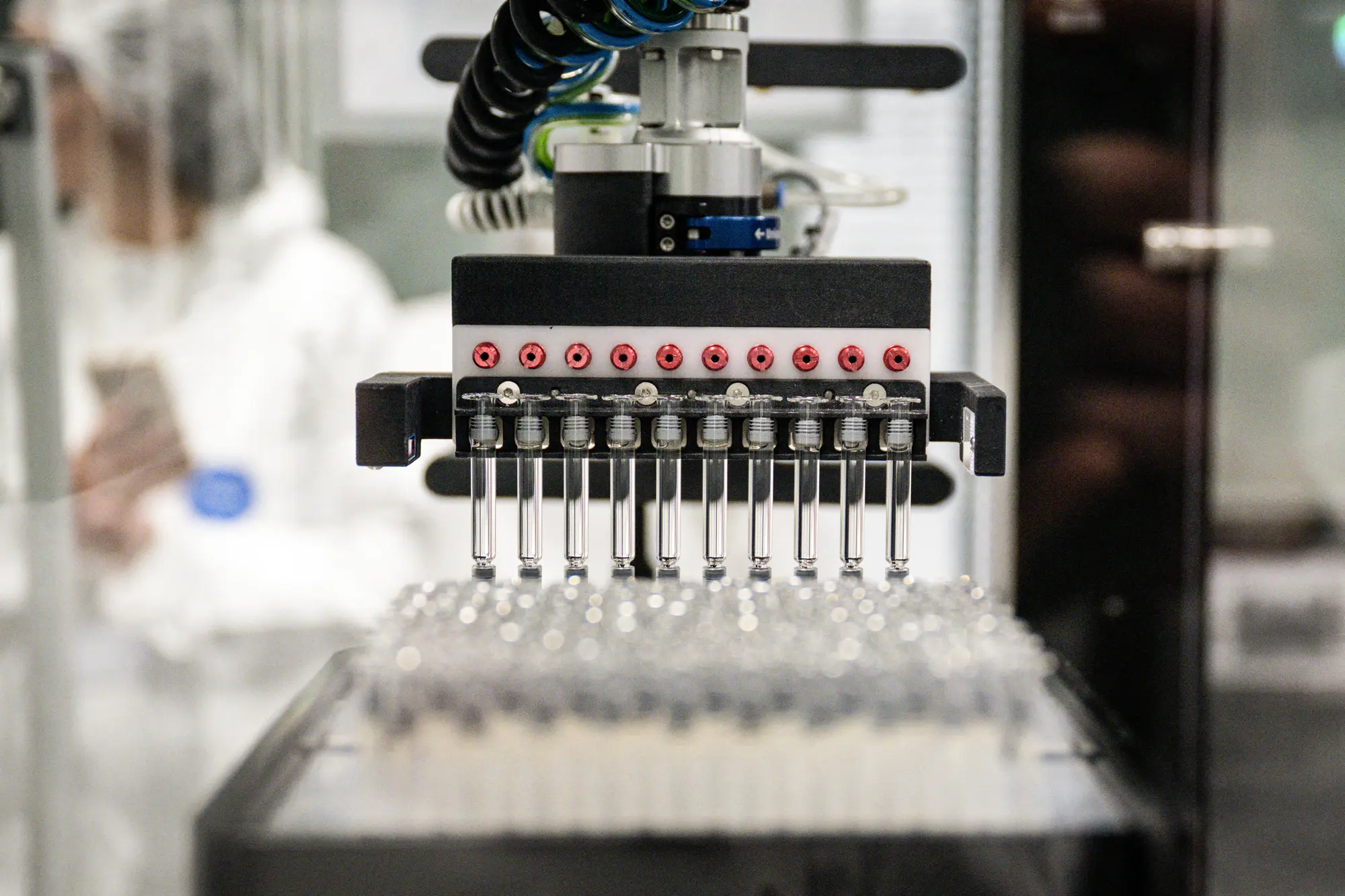
Tubes for medication syringes are seen on a production line during a press tour of French pharmaceutical group Sanofi’s biotechnology production facility in Le Trait, France, on Nov. 27, 2025. Lou Benoist/AFP via Getty Images
Clearing the Thicket
Robert M. Davis, chairman and CEO of Merck, testified in 2024 that the company had invested $44 billion to develop its cancer drug Keytruda and will invest another $18 billion through the 2030s.
“Today’s investments drive tomorrow’s discoveries of breakthrough treatments,” Davis told the Senate Committee on Health, Education, Labor, and Pensions.
Keytruda was FDA-approved in 2014. Since then, the drug has generated $163 billion in revenue, $31.7 billion in 2025 alone, according to the International Consortium of Investigative Journalists.
As of April, 66 U.S. patents had been approved for Keytruda.
Some members of Congress aren’t convinced that additional patents really serve the cause of innovation.
“Big Pharma knows exactly what it’s doing in monopolizing the U.S. patent system: driving up drug costs for Americans while preventing generic-drug manufacturers from getting their foot in the market,” Sen. Josh Hawley (R-Mo.) said in a statement introducing the ETHIC Act.
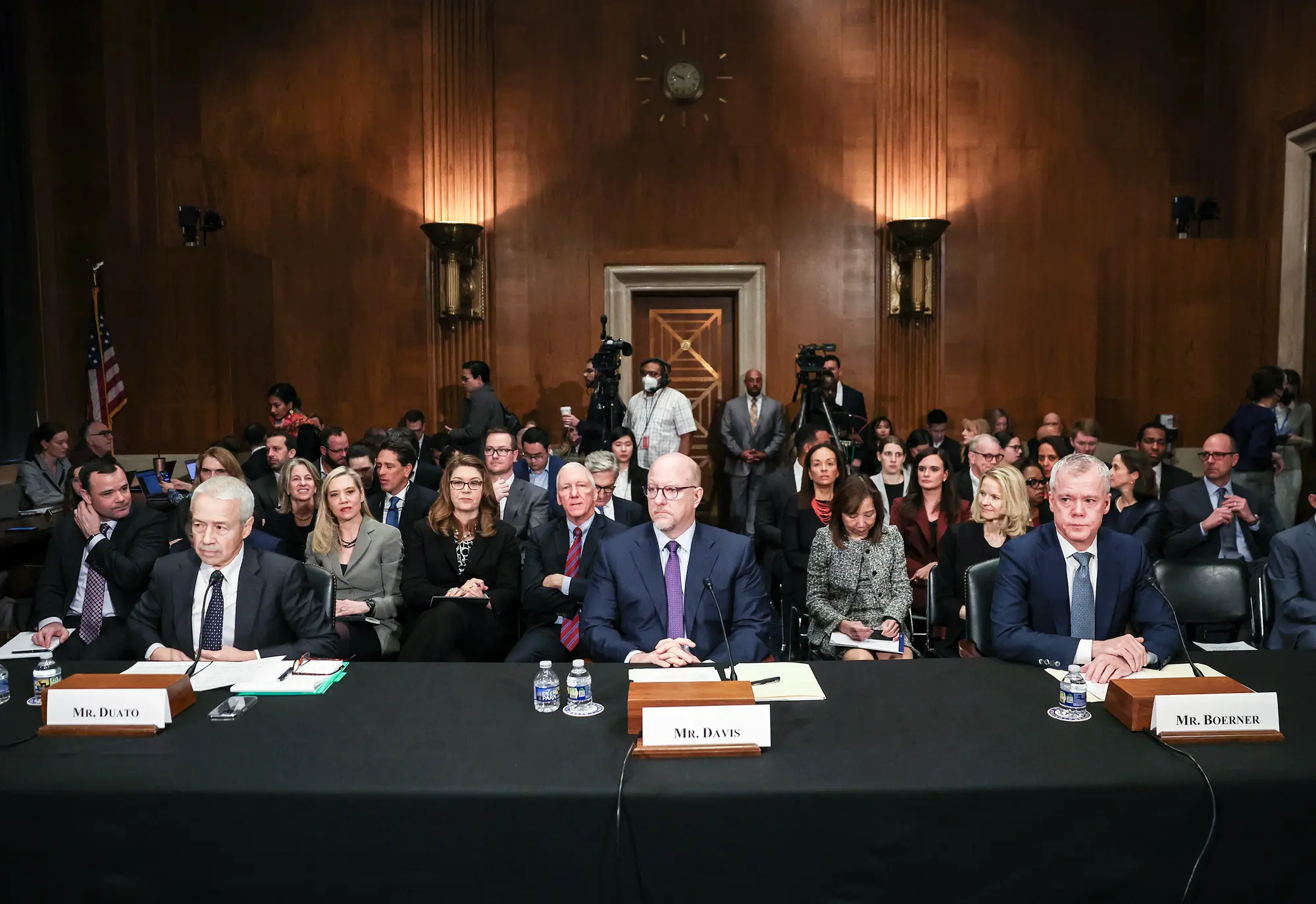
(L–R) Joaquin Duato, CEO of Johnson & Johnson, Robert Davis, CEO of Merck, and Chris Boerner, CEO of Bristol Myers Squibb, testify before the Senate Health, Education, Labor, and Pensions Committee in Washington on Feb. 8, 2024. The Committee held the hearing to investigate the cost of prescription drugs. Kevin Dietsch/Getty Images
The bill was introduced by Rep. Jodey Arrington (R-Texas) in May 2025 and cosponsored by three other Republicans and five Democrats.
Hawley and Sens. Peter Welch (D-Vt.) and Amy Klobuchar (D-Minn.) introduced the bill in the Senate.
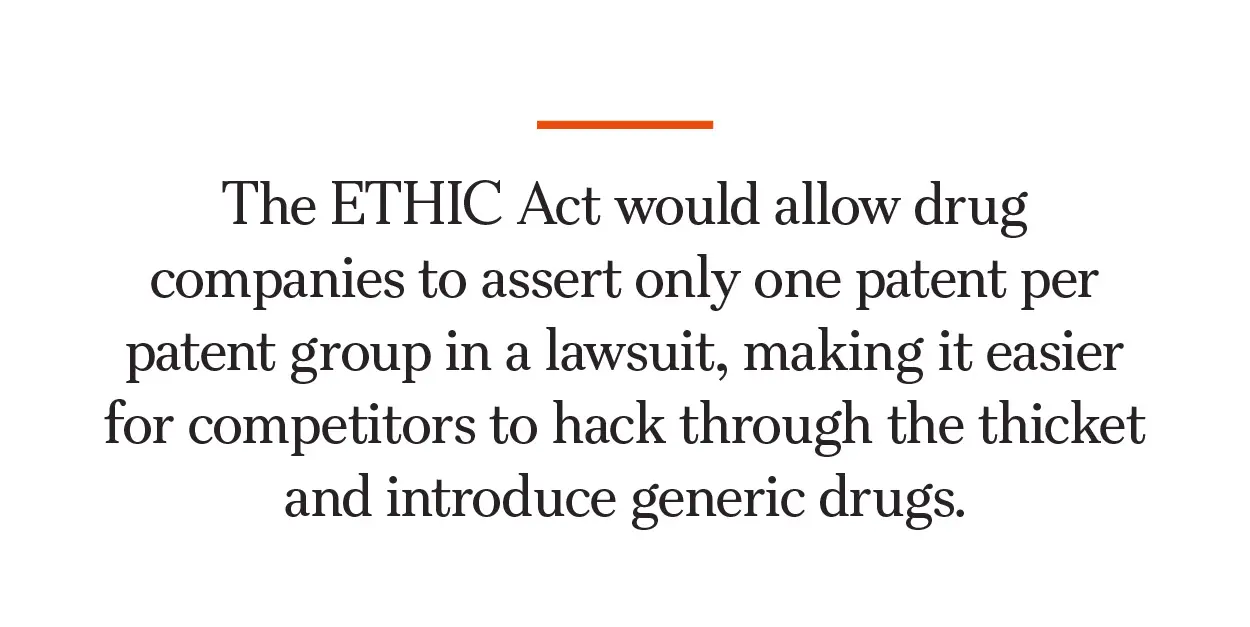
The ETHIC Act would allow drug companies to assert only one patent per patent group in a lawsuit, making it easier for competitors to hack through the thicket and introduce generic drugs.
More than two dozen advocacy and research groups, joined by a nearly equal number of scholars and lawyers, urged Congress to take action on the bill.
Others see it as a misguided attempt to solve the problem of drug pricing.
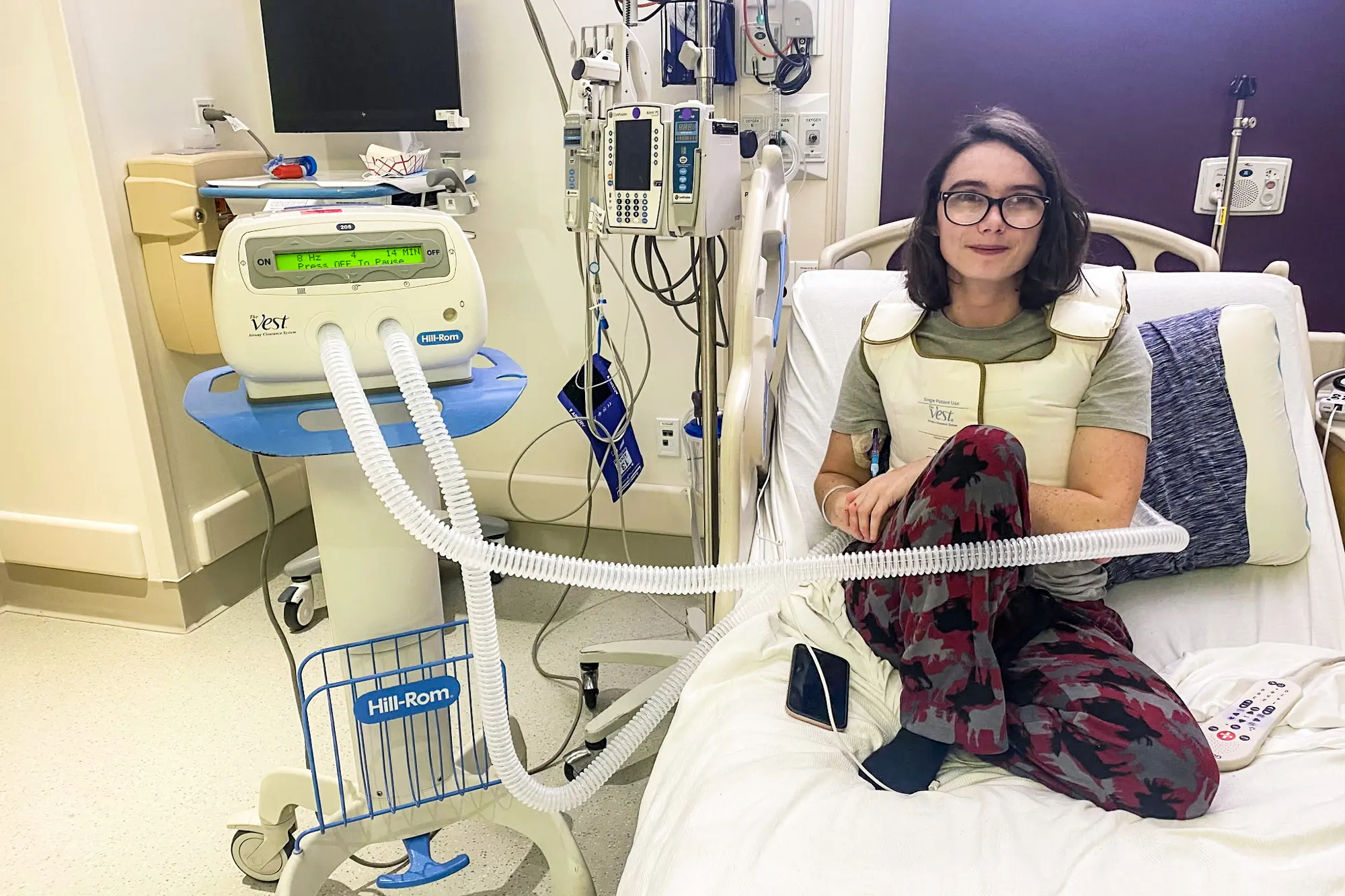
Rose Kreis receives treatment for cystic fibrosis, in this undated photo. Courtesy of Don Kreis
“The bill advances a misleading narrative about so-called patent thickets,” the Council for Innovation Promotion said in a statement. The group describes itself as “a bipartisan coalition dedicated to promoting strong and effective intellectual property rights.”
It added that a complex product can require multiple patents to adequately protect its components.
The Patent and Trademark Office in 2024 concluded that simply counting the patents on a product is an imprecise way to measure their value because each could have a different scope.
Garcia, like many who feel the economic impact of high drug prices, is more concerned with kitchen-table issues than patent law and hopes lawmakers will pass the legislation.
“Their vote could drastically change what my family will be eating for dinner,” Garcia said.











Leave A Comment
You must be logged in to post a comment.