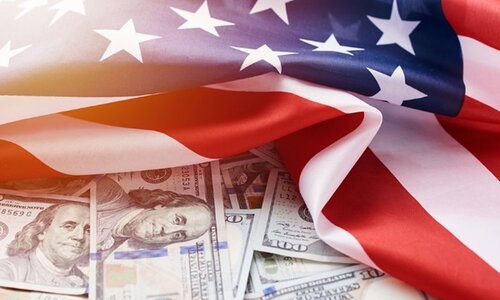
Why So Many Americans Are Nervous About The Economy For 2026
January 06, 2026
By PNW Staff
Reprinted from Prophecy News Watch
You don’t need an economics degree to sense something is off in 2026. You just need to drive past your favorite strip mall.
The coffee shop that knew your order by heart is gone. The family-owned restaurant that survived COVID didn’t survive this year. Windows are dark. “For Lease” signs are multiplying. Main Street feels quieter — and that silence is often the first sound of a recession arriving.
Long before Wall Street panics, long before politicians argue over definitions, economic trouble shows up where real people live. And right now, one of the most reliable warning signs is flashing bright red: small businesses are closing at an alarming pace.
Bankruptcy lawyers say it plainly — when the “little guys” start falling, the rest of the economy is usually not far behind. Small shops, local retailers, and neighborhood restaurants are often the canary in the coal mine. They don’t have stock buybacks, government contracts, or massive cash reserves. When money gets tight, they feel it first.
And money is very tight.
Main Street Is Getting Crushed
Running a small business in 2026 feels like fighting uphill with weights strapped to your ankles. Rent is higher. Insurance is higher. Supplies cost more. Utilities cost more. Wages are higher — not because owners want them to be, but because workers are struggling too.
At the same time, customers are pulling back. Families are skipping dinners out. Shoppers are choosing Walmart over the local shop, Amazon over the independent retailer. Not because they want to — but because they have to.
This is creating a strange split in the American economy. Big corporations are posting solid profits and watching their stock prices climb. Small businesses are barely holding on. It’s two different worlds operating side by side, and only one of them feels real to most Americans.
When small businesses fail, communities lose more than stores. They lose jobs, local investment, and the social glue that keeps towns alive. And once those closures start, they tend to spread.
Housing No Longer Feels Like a Safety Net
For years, Americans were told that rising home values would cushion everything else. But in 2026, that cushion feels thin.
In many areas, home prices are slipping or going nowhere at all. Buyers are frozen out by high interest rates. Sellers are stuck, unwilling or unable to drop prices. The result is a housing market that feels stalled.
This isn’t just about real estate. When homes stop changing hands, everything around them slows down too — renovations, furniture purchases, appliances, landscaping, and local contractors. Housing doesn’t need to crash to hurt the economy. Sometimes, it just needs to stop moving.
For homeowners, flat or falling prices mean less financial flexibility. For renters hoping to buy, affordability still feels like a distant dream.
Cars Are Becoming a Breaking Point
If housing is frozen, cars are becoming a pressure cooker.
Vehicle prices remain painfully high, even as Americans are clearly backing away from buying. Monthly payments have climbed into territory that used to be reserved for luxury vehicles. Now, they’re attached to basic transportation.
The result? Repossessions are rising. Dealers are nervous. Inventory is piling up. And consumers are saying “not now” — or “not at all.”
In America, people don’t stop buying cars unless something is wrong. When they do, it’s a sign that budgets are stretched to the limit.
Debt Is Quietly Strangling Households
The most dangerous problem facing the average American isn’t flashy — it’s silent.
Credit card debt is at an all-time high, and interest rates are brutal. For many families, credit cards aren’t funding vacations or splurges. They’re funding groceries, gas, and utility bills. That’s not confidence. That’s desperation.
At the same time, student loan payments are back after years of being paused. Millions of Americans are adjusting to hundreds of dollars a month suddenly disappearing from their budgets. That money used to support local economies. Now it’s going straight toward old debt.
Debt doesn’t just limit spending — it drains hope. It keeps people stuck, cautious, and afraid to make big moves.
More Trouble Lurks Beneath the Surface
Beyond what’s already visible, other pressures are building quietly:
Healthcare costs keep rising, even for insured families.
Hiring is slowing, even if layoffs aren’t making headlines yet.
Local governments are bracing for tighter budgets as tax revenue softens.
Global instability threatens to send prices higher again with little warning.
None of these alone guarantees a recession. Together, they paint an uncomfortable picture.
Why This Feels Different
What makes 2026 unsettling isn’t panic — it’s fatigue. Americans aren’t shocked by rising prices anymore. They’re worn down by them. They’ve adjusted, cut back, and borrowed to survive. There’s not much slack left.
Recessions don’t start with official announcements. They start with postponed purchases, maxed-out cards, and empty storefronts. By the time economists agree on a label, families have already been living the reality.
The warning signs are no longer theoretical. They’re on Main Street, in driveways with repossession notices, and on credit card statements that don’t seem to shrink.
The flashing red light isn’t telling Americans to panic. It’s telling them to pay attention — because when everyday life starts feeling harder all at once, history suggests the economy is already changing.








Leave A Comment
You must be logged in to post a comment.