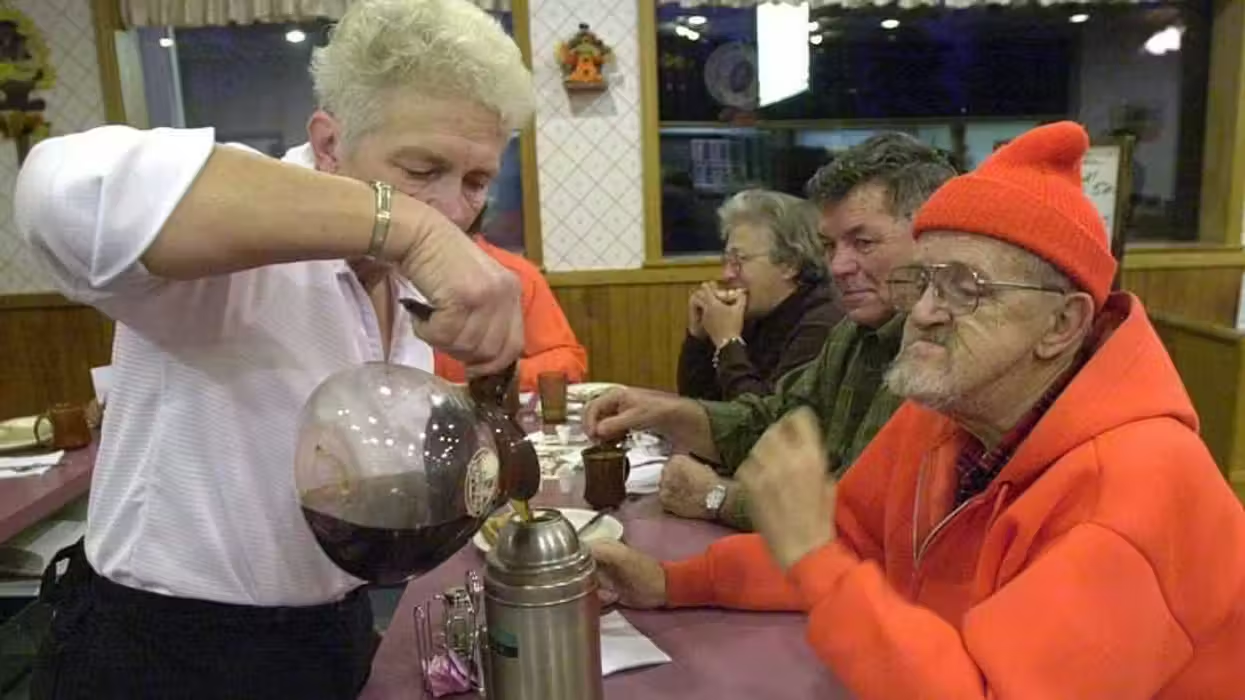
Five cups minimum in a 24-hour span. Black. Only, always black. Nothing added. Would you put whipped cream, sugar, syrup, or anything on the Mona Lisa? I mean, really…
I’ve only been in Starbucks less than five times in my life. I’m 73, and Starbucks has been around since 1971. Do the math. Not my kind of place. Only been in one when doing a road trip, and then only by duress and not by desire.
I was drinking coffee, diluted with warm milk and sugar from a baby bottle as a young human being. My mother was a pusher. She wouldn’t deny it if she were still in this life. She died in March of 1997. She didn’t drink enough coffee and only drank instant. Never knowing the real bean. The real thing.
Contrary to the prevailing ignorance that passed for wisdom at the time, it didn’t stunt my growth. I can still hear some of my many aunts and uncles’ voices speaking the words that carried no facts. I’m over six feet tall. Been called “big” even though I don’t understand why. The brewed bean doesn’t make one stunted.
I’m on my second cup as I write this.
Never makes me jittery, never the big act I’ve witnessed in some, the putting on of wow! zoom! Caffeine is almost equated to liquid rocket fuel. What a bunch of baloney. If it reacts in such a manner in them, perhaps they ought to refrain? Well, at least coffee has never impacted me in such a manner. I drink it because I like it. Not addicted. No matter what you think or might say. I don’t have to have it, and there are days, times I don’t drink it.
Beans so freshly roasted that they are oily, and I need to clean the burr grinder much more frequently than ever before. My wife and I found the place to buy the beans. Roasted to perfection. An independent coffee shop, restaurant owned by a wonderful man and staffed by amazing people. So small, so friendly, the owner took us into the roasting room and gave us a tour. It’s all on the first floor of an old house converted into a business of coffee and food, in a small town near a Great Lake.
Why is this here? In a place devoted to faith in Jesus, the words of the Holy Bible, and current events revealing the times, the end times?
Because it’s my place, and I came across the following article and decided to put this here. That’s why.
Bothered by this?
Hummm…perhaps you ought to find a source of freshly roasted quality beans, grind some, brew in a decent machine that can do those beans justice, and pour into a gently warmed cup to keep the liquid warmer longer.
Black, of course.
Savoring. Sipping. Then maybe discernment will appear as to why. It could happen.

For the grace of God that brings salvation has appeared to all men, teaching us that, denying ungodliness and worldly lusts, we should live soberly, righteously, and godly in the present age, looking for the blessed hope and glorious appearing of our great God and Savior Jesus Christ, who gave Himself for us, that He might redeem us from every lawless deed and purify for Himself His own special people, zealous for good works.
Speak these things, exhort, and rebuke with all authority. Let no one despise you.
Titus 2:11-15
Ken Pullen, Monday morning, April 27th, 2026
Who knew my daily 3 cups counted as a health regimen?
April 27, 2026
Reprinted from Blaze Media
I’ve never felt much sympathy for addicts.
Not the gamblers refreshing their portfolios at 2 a.m., nor the wine devotees who have rebranded a nightly bottle as “self-care,” nor the doomscrollers mainlining outrage as if it were a dietary need.
Addiction, to me, has always looked less like an illness and more like a failure of will. Which makes this confession awkward.
Mr. Coffee
I am, demonstrably, an addict — a coffee addict, to be specific. Three cups daily, minimum. Four when my sleep quality files for early retirement. I have never pawned jewelry, put my family through an intervention, or woken up in a city I have no memory of arriving in. But remove coffee from my routine, and my tolerance for other people’s existence, already a carefully managed resource, drops to levels more commonly associated with Patrick Bateman. If you have never related to that sentence, congratulations on your even temperament and your decaf. But bear in mind that you’re also, statistically, in the minority.
In America, the world’s most instructive laboratory for excess, coffee consumption has hit historic highs. Entire office towers function because of it. So do emergency rooms. It powers long-haul truckers and early-morning construction workers. Coffee, for tens of millions of Americans, is less a habit than a non-negotiable term of existence.
And unlike most dependencies, this one keeps passing its medical exams with flying colors.
Fill ‘er up
A new, long-term study published in the Journal of Affective Disorders, tracking over 400,000 people, arrived at a finding that seems almost conspiratorially convenient for people like me: two to three cups a day correlates with measurably lower rates of anxiety and depression. The effect doesn’t erase your suffering or rewrite your difficult childhood. The risk simply drops, noticeably and consistently.
The mechanism is straightforward. Caffeine blocks adenosine, the chemical your brain uses to announce that it is done for the day. Dopamine rises to fill the gap. Concentration improves. The effect feels dramatic because at the neurochemical level, something genuinely dramatic has happened. This is not a trick the mind plays on itself, but chemistry doing exactly what chemistry does.
For decades, coffee attracted suspicion like a stranger at a school gate. Too stimulating. Too addictive. A gateway to jittery dysfunction. The warnings came confidently and often. Then the studies accumulated, the data became less impeachable, and coffee was acquitted of most charges.
Beyond the bean
Caveats exist, as they always do. Five cups daily and the benefits plateau, then reverse. The same compound that steadies you begins rattling the cage. To be fair, anyone drinking five cups of coffee a day has larger questions to answer about his life choices, and caffeine is probably the least of his concerns.
The bean, at least, has always been transparent about the transaction. You know exactly what you are getting and exactly what it costs.
What has been done to the bean is another matter entirely.
Somewhere between the postwar diner and the present moment, coffee got kidnapped. Starbucks, once a straightforward purveyor of decent espresso, became a laboratory specializing in whipped, drizzled, and syrup-fortified structures that happen to contain trace amounts of coffee. Syrups compounding upon syrups. Whipped cream deployed where no cream has any reasonable business. Names so elaborate they require careful study and occasionally a second opinion.
At some point, ordering coffee became something you perform rather than something you do.
The prices reflect the absurdity: six or seven dollars for something containing more sugar than a child’s birthday cake, sharing only a nodding acquaintance with the actual coffee bean.
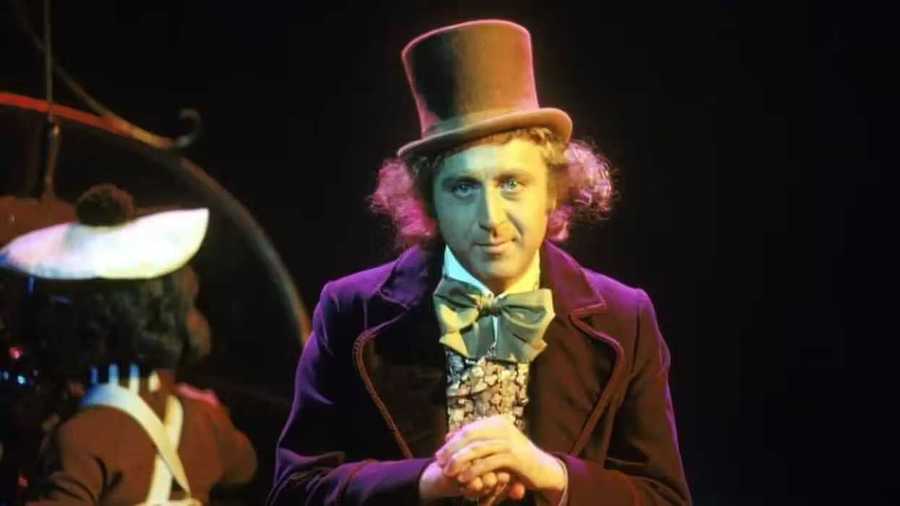
Teddy’s choice
The backlash arrived. Starbucks has watched American foot traffic fall as customers stopped finding the ritual worth the receipt. Black coffee is gaining ground. Strong, simple, unbothered by the season, it is coffee that commits to tasting like coffee.
There’s something satisfying in that correction. Not moral superiority — nobody earns virtue by ordering an Americano — but a return to proportion. The unnecessary removed, the thing itself restored. Real coffee demands nothing from you. No rehearsed order, no twelve-step customization, no theatrical pause before naming your flavor preferences. Hot water meets ground bean; the transaction is completed. The fog between you and the day lifts on schedule.
And so I have made my peace with the label. Addict, junkie, dependent — the word changes nothing about what is in the cup. There are considerably worse things to crave. Voltaire drank dozens of cups a day. Beethoven counted out exactly 60 beans every morning. Theodore Roosevelt consumed a gallon before most men had finished breakfast. All three left the world considerably more interesting than they found it. Correlation may not be causation, but it is a remarkably consistent pattern among people who got things done.












Leave A Comment
You must be logged in to post a comment.