
HOW STRONG ARE
FAMILIES IN THE U.S.?
Family Structure Index 2026
April 7, 2026
Reprinted from the Center for Christian Virtue
National report highlights how family structure shapes economic mobility, education, and public safety
Columbus, OH – Center for Christian Virtue (CCV) today released its 2026 Family Structure Index (FSI), a nationwide report measuring the strength and stability of family life across all 50 states. The report offers a fresh look at how family trends are shaping the future of the country.
HOW STRONG ARE FAMILIES IN AMERICA?
Published in partnership with the Institute for Family Studies, the report reveals that Ohio is falling behind the national average, ranking 30th in family stability.
The FSI evaluates key indicators, including marriage rates, fertility patterns, and the share of children raised by married parents. Together, these measures provide a clear picture of how family structure influences child well-being, economic opportunity, and long-term social stability.
The full report is available at FamilyStructureIndex.org.
“Strong families are the foundation of a healthy society,” said Aaron Baer, President of CCV. “This report shows that when family structure weakens, the effects ripple outward to our schools, our communities, and our economy. But it also makes clear that this is not inevitable. There is a solution and a path forward.”
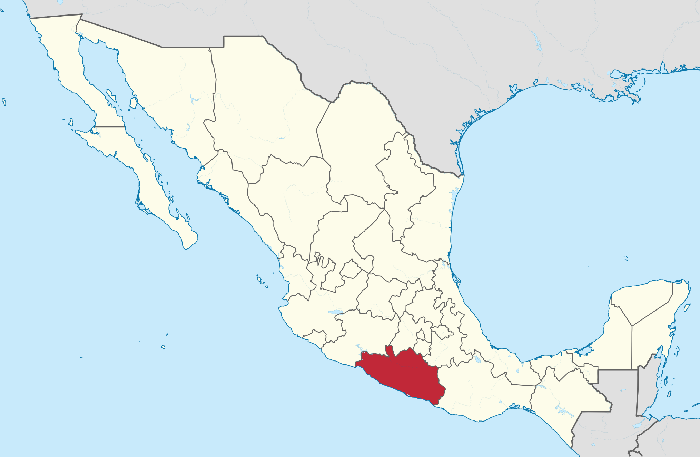
The 2026 Index reveals significant variation across the country, with some states demonstrating strong, stable family environments while others face growing challenges tied to declining marriage rates and rising family fragmentation. Utah again ranks at the top of the Index for family stability, while New Mexico ranks last.
STATE BY STATE RANKINGS
“Family structure is one of the strongest predictors we have for whether children and communities are thriving,” said Brad Wilcox, Distinguished University Professor of Sociology at the University of Virginia and a lead researcher on the report. “States that are doing well in this area have markedly lower levels of child poverty, as well as higher rates of economic mobility and home ownership.”
The state rankings reveal how the strength of the family is inextricably linked to the health and attainability of the American Dream.
Key National Insights
- States with higher shares of married parents tend to see lower child poverty rates and stronger educational outcomes.
- Communities with more stable families experience less crime and greater economic mobility.
- Declines in marriage and increases in single-parent households are closely linked to long-term social and economic challenges.
The report also underscores that these trends are not confined to any one region or political ideology. States across the spectrum face similar pressures, pointing to the need for broad, practical solutions.
“The lesson going forward is clear,” said Baer. “Red and Blue states alike should advance policies that make housing more affordable, ensure good-paying jobs are within reach, keep taxes low, and expand access to quality education.”
Baer added that the findings should serve as a call to action for policymakers and civic, faith, and community leaders nationwide.
“This isn’t just about statistics,” said Baer. “It’s about real children and real futures. If we want to see our nation thrive, we have to be serious about strengthening marriage and supporting families in every community.”











Leave A Comment
You must be logged in to post a comment.