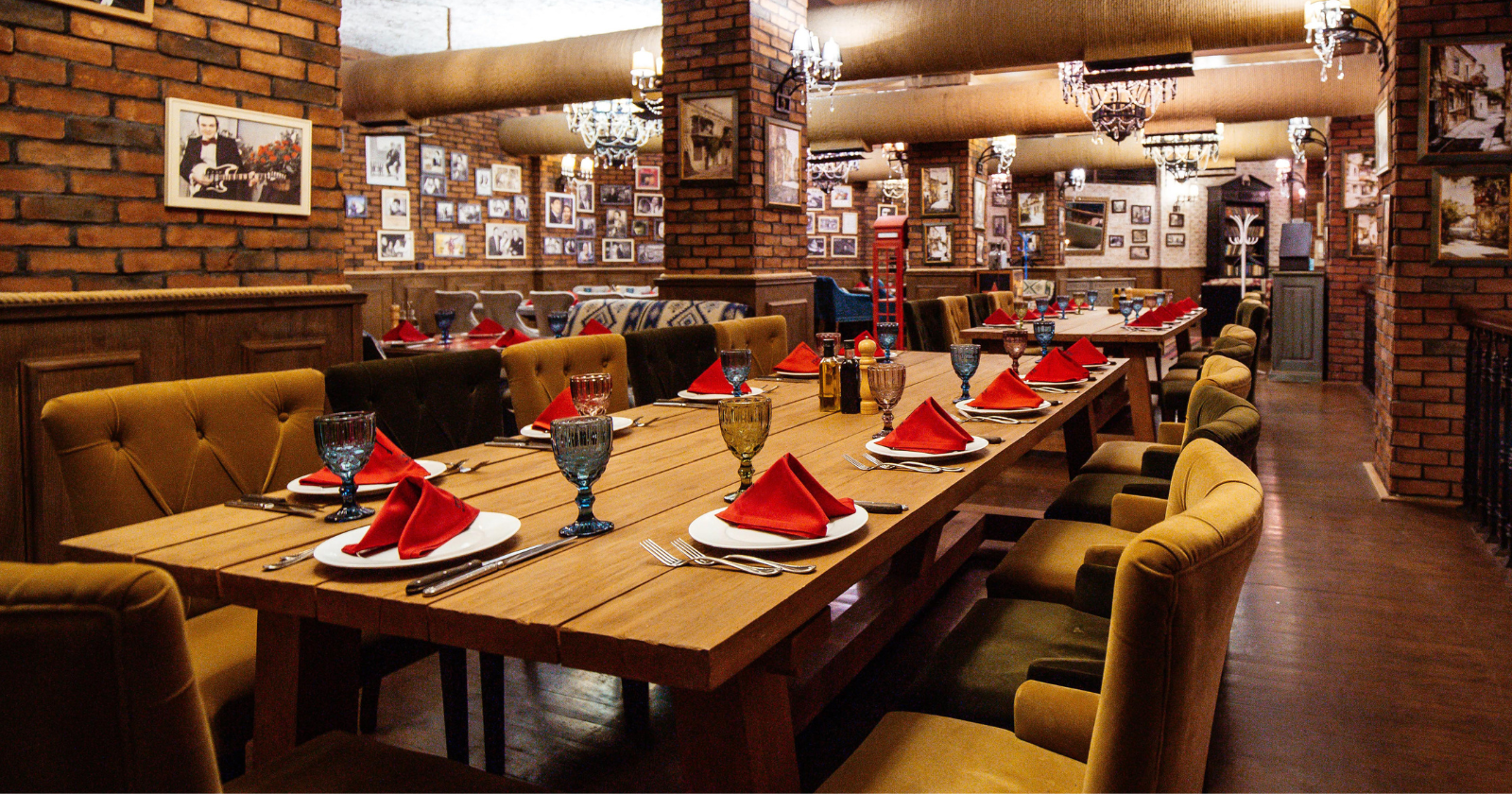
It’s in the details.
It isn’t survival of the fittest. Dog eat dog. He who has the most toys wins. Every person for themselves. Nice guys finish last.
Unless allowing oneself to be led about by the utter stupidity of the world. And people are stupid. Individuals can be and are smart. People? En masse. In today’s world? Not so much.
It IS in the details.
And the little things speak volumes.
Being taught to think of others is no longer taught. Consideration has all but vanished. A person is more likely to encounter a Dodo bird hitching a ride on the back of a Wholly Mammoth than encountering considerate people these days.
The world has gone utterly mad.
It’s self-absorption. All about self. No thought of others.
Pay attention.
Watch who pushes their chairs in and who doesn’t. And pay attention, if possible, to those people throughout the day if working with them, living with them, hanging out with them. Going out with them.
It is in the details.
The little things not only mean a lot — they say a lot.
And, yes, I push the chair I’ve been sitting in, in. Even if no one is around. It’s how I was raised. Think about other people. Be considerate. Even before being taught by Jesus, by His Word, I was taught to think of others.
Imagine that.
But I’m old, you see, and all that stuff is now considered weak, irrelevant, archaic, no longer applies.
And a world in decline, such rapid decline is evidence.
Read on…
Wednesday, December 31st, 2025
Psychology says people who push their chair back in when they leave a table usually display these 9 unique behaviors
December 31, 2025
Reprinted from Global English Editing
I’ve been playing chess at our community center every Thursday for the past eight years. My regular opponent, Bob, and I have developed this comfortable routine over time. But here’s what I’ve noticed: the players who always push their chairs back in after a game are often the ones I most enjoy playing against, win or lose.
It’s such a small thing, isn’t it? Pushing a chair back under a table. Takes maybe two seconds. But psychology suggests that this tiny gesture can reveal quite a bit about a person’s character and how they move through the world.
After decades of watching people in offices, at family gatherings, and in public spaces, I’ve come to recognize certain patterns. The folks who take that extra moment to tidy up after themselves tend to share some interesting traits. Let’s explore what these small habits might say about someone.
1) They’re mindful of others around them
When someone pushes their chair back in, they’re demonstrating what researchers call social mindfulness. It’s about being thoughtful of others at little cost to yourself.
Studies from Leiden University found that people who display social mindfulness in small ways, like leaving choice for others or considering their needs, tend to do so consistently across different situations. They’re not just thinking about the next person who might walk past that table. They’re naturally wired to consider how their actions affect the people around them.
I remember my father always pushing his chair in at restaurants. As kids, we’d roll our eyes at his insistence that we do the same. But now I understand. He was teaching us to think beyond ourselves, to recognize that our small actions ripple outward in ways we don’t always see.
2) They possess strong self-control
Here’s something that surprised me when I first read about it: pushing a chair in requires overriding your immediate impulse to just walk away. It’s a small act of self-discipline.
Research from the Dunedin Study followed over 1,000 people for decades and found that self-control measured in childhood predicts a startling array of adult outcomes, from income to health to overall life satisfaction. The strength of self-discipline turned out to be as important as intelligence or family background.
Now, I’m not saying that forgetting to push in your chair means you’ll end up bankrupt and unhealthy. But people who consistently practice these small acts of self-control tend to have that discipline extend into other areas of their lives. They’re the ones who finish what they start, who show up when they say they will.
3) They’re reliable and conscientious
In my 35 years working in insurance, I learned to spot the reliable employees pretty quickly. They were often the ones whose desks were organized, who showed up five minutes early, and yes, who pushed their chairs back in after meetings.
Conscientiousness, as psychologists call it, is about being organized, responsible, and mindful of details. Research has found that conscientious individuals tend to be more reliable, punctual, and detail-oriented across various life situations. They understand that small actions matter because everything we do reflects our character.
My daughter Sarah once told me she judges potential employees by how they treat the receptionist and whether they tidy up after themselves in the break room. She said those small behaviors tell her more than most interviews do. I think she’s onto something.
4) They respect shared spaces
There’s something deeper at work when someone pushes in a chair. They’re acknowledging that the space doesn’t belong to them alone. They’re showing respect for the environment and the people who use it.
Research on personality and environmental engagement suggests that people who take care of shared spaces tend to be more community-minded and conscientious. They recognize their role in maintaining order and function for everyone’s benefit. It’s the same reason some folks pick up litter even when they didn’t drop it, or hold the door for the person behind them.
I volunteer at our local literacy center every Tuesday, and I’ve noticed that the volunteers who tidy up after their sessions, who arrange the chairs and put materials away properly, are usually the ones most committed to the program. They see their responsibility extending beyond their immediate task to the community as a whole.
5) They pay attention to details
My woodworking hobby has taught me that details matter. The difference between a good project and a great one often comes down to the small finishing touches that most people wouldn’t even notice.
People who push their chairs in are often the detail-oriented folks. According to research on conscientiousness, attention to detail is strongly linked to being mindful of those around you and aware of how your actions affect others. These individuals notice things others might miss. They’re the ones who spot the typo in the report, who remember what you mentioned in passing last week, who notice when something’s not quite right.
When I was learning guitar at 59, my instructor told me something I’ll never forget: “If you take care of the small things, the big things take care of themselves.” That applies to chair-pushing too. It’s the small habits that build character.
6) They demonstrate forward-thinking
Here’s an interesting angle: pushing a chair back in is essentially a small gift to your future self or to someone else. You’re making the space better for the next person who uses it.
This kind of forward-thinking behavior connects to research on self-control and planning. People who can act now for future benefit tend to make better long-term decisions. They’re thinking about consequences beyond the immediate moment, whether that’s in small daily habits or major life choices.
My wife and I learned this lesson the hard way during our first few years of marriage. We’d leave things for “later” that would pile up and cause arguments. Now, after 40-plus years together, we’ve both adopted the “do it now” mentality. It makes life run smoother for both of us.
7) They maintain higher standards for themselves
I’ve noticed something about people who consistently push their chairs in: they tend to have personal standards that go beyond what’s required. They’re not doing it because someone’s watching or because they’ll get in trouble if they don’t. They do it because it’s the right thing to do.
This connects to psychological research on self-discipline and motivation. Studies have shown that people who hold themselves to high personal standards, regardless of external oversight, tend to be more successful and satisfied with their lives. They’re driven by internal values rather than external rewards or punishments.
During my career, I worked with colleagues who would cut corners when the boss wasn’t looking, and others who maintained their standards regardless. The difference was striking, and it showed up in everything from work quality to how they raised their kids.
8) They’re less impulsive
Pushing a chair in requires you to pause for a moment before moving on to the next thing. It’s a small interruption to the flow of “get up and go.”
Research on self-control strategies suggests that people who can pause and perform small acts of consideration tend to be less impulsive overall. They’re better at stopping to think before reacting, whether that’s in conversations, financial decisions, or emotional situations.
I’ll be honest: I wasn’t always good at this. In my younger years, I was quick to react, quick to speak, quick to judge. It took some hard lessons and a bit of self-reflection to slow down and think before acting. Those Thursday chess games with Bob have helped too. You can’t rush a good chess game.
9) They understand that character shows in small things
My mother used to say, “Show me how someone does the little things, and I’ll tell you how they’ll do the big things.” At the time, I thought she was being fussy about things like making our beds and cleaning up after dinner.
But she was right. Research in personality psychology confirms that our habitual behaviors, the things we do without thinking, reveal our true character more than our big, planned actions do. The person who pushes in their chair is demonstrating that they care about doing things right, even when it doesn’t really matter.
When I walk Lottie every morning at 6:30, rain or shine, I often think about these small habits. Nobody’s watching me pick up after my dog or wave to my neighbors. But I do it anyway, because it’s these small, consistent actions that define who we are.
Conclusion
The simple act of pushing in a chair is hardly life-changing. But it’s a window into how someone approaches life. Do they think about others? Do they maintain standards even when no one’s watching? Do they believe that small things matter?
Next time you’re at a restaurant or a meeting, pay attention. You might be surprised what those two seconds of someone’s behavior tell you about their character.












Leave A Comment
You must be logged in to post a comment.